
How to Keep Your Classic Fiat Running Smoothly
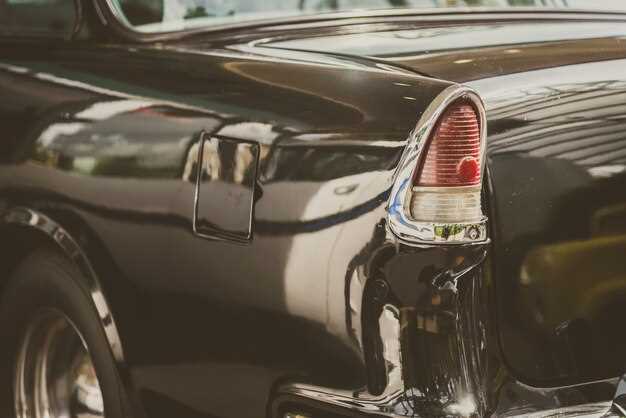
Owning a classic Fiat is not just about possession; it’s an experience steeped in history and nostalgia. These vehicles often embody the charm of the past while offering a unique driving experience that modern cars can seldom replicate. However, maintaining a classic Fiat requires dedication and attention to detail to ensure it remains in impeccable condition for years to come.
One of the key aspects of preserving your classic Fiat lies in understanding its mechanics and the materials used in its construction. Unlike contemporary vehicles, classic Fiats often utilize older technologies that demand specific care and maintenance practices. Regular inspections and routine servicing will help in identifying potential issues before they escalate into costly repairs.
Another important factor is the environment in which you keep your classic Fiat. Keeping it protected from the elements can significantly extend its lifespan. Consider investing in a quality car cover to shield it from rain, UV rays, and dust. Additionally, ensuring that the storage area is climate-controlled will help prevent rust and deterioration, preserving both aesthetics and functionality.
Regular Oil Changes to Preserve Engine Health
Maintaining the longevity of your classic Fiat is essential, and one of the most critical aspects of this maintenance is ensuring regular oil changes. Engine oil plays a vital role in lubricating moving parts, reducing friction, and preventing wear and tear. Over time, oil becomes contaminated with dirt, debris, and metal particles, which can lead to engine damage if not addressed.
For classic vehicles, where parts may be less forgiving due to age, it’s imperative to adhere to a strict oil change schedule. Typically, changing the oil every 3,000 to 5,000 miles is recommended; however, consulting your owner’s manual can provide specific intervals tailored to your model.
When performing an oil change, select high-quality oil suitable for the specific needs of your classic Fiat. Many enthusiasts prefer synthetic blends or high-mileage oils that offer better stability and protection for older engines. Additionally, don’t forget to replace the oil filter, as a clogged filter can impede oil flow and diminish its effectiveness.
Consistent oil changes not only help in preserving engine health but also enhance the overall performance of your classic Fiat. By prioritizing this routine upkeep, you ensure that your beloved vehicle remains a joy to drive for years to come.
Inspecting and Replacing Brake Components for Safety
Regular maintenance of your classic Fiat’s brake system is essential for safe driving and optimal performance. Brake components, including pads, rotors, calipers, and brake fluid, must be frequently inspected to ensure they are in good condition. Over time, these components can wear down or become damaged, leading to decreased braking efficiency and potential safety hazards.
Start your inspection by checking the brake pads for signs of wear. As a general rule, if the pad thickness falls below a quarter of an inch, replacement is necessary. Also, listen for squeaking or grinding noises while braking, as these can indicate that the pads are worn out and need attention.
Next, inspect the brake rotors for any signs of scoring or warping. Smooth and uniform rotors are crucial for effective braking. If there are noticeable grooves or if the rotors appear uneven, they should be resurfaced or replaced to maintain a smooth contact surface with the brake pads.
Calipers play a vital role in clamping the brake pads against the rotors. When inspecting calipers, look for signs of leaks or corrosion. Ensure that the caliper pistons move freely and do not stick. If you notice any issues, replacement may be necessary to restore full braking capabilities.
Don’t forget to check the brake fluid level and condition. Old or contaminated brake fluid can lead to decreased performance and can cause damage to the braking system. It’s advisable to replace brake fluid every two years, or as recommended by your vehicle’s manual. Ensure that all connections and lines are free of leaks, as a compromised hydraulic system can be dangerous.
Performing these inspections regularly, ideally every six months or before long trips, will help maintain the safety and reliability of your classic Fiat. Properly functioning brakes are crucial for a safe driving experience, making it essential to address any issues immediately.
Keeping the Fuel System Clean for Optimal Performance

Maintaining a classic Fiat requires attention to various components, with the fuel system being a critical area for optimal performance. A clean fuel system ensures that the engine receives the right amount of fuel at the correct pressure, which is essential for efficient operation and longevity.
Start by regularly inspecting and replacing the fuel filter. Over time, fuel filters can become clogged with debris, which restricts fuel flow and can lead to engine performance issues. For many classic Fiats, it’s advisable to change the fuel filter at least once a year or more frequently if you’re using the vehicle regularly.
Using high-quality fuel is another key aspect of maintenance. Opt for gasoline that contains a fuel stabilizer, especially if your classic Fiat is not driven regularly. This helps prevent the formation of deposits in the fuel tank and lines, ensuring that the fuel remains clean and free from contaminants.
Additionally, consider using a fuel system cleaner every few months. These products can help dissolve gum and varnish buildup that naturally occurs over time. By using a cleaner formulated for classic cars, you can help maintain the efficiency of the injectors and carburetors, allowing for smoother performance during drives.
Inspect fuel lines for any signs of wear, leaks, or deterioration. Rubber components can degrade over time, leading to potential fuel leaks that can affect performance and create safety hazards. Replacing old fuel lines promptly will prevent issues and maintain the integrity of the fuel system.
Lastly, during routine maintenance checks, keep an eye on the fuel tank. Water and sediment can accumulate, leading to corrosion and blockages. Draining and cleaning the fuel tank periodically helps ensure that only clean fuel is being delivered to the engine, which is crucial for the overall reliability and performance of your classic Fiat.


