
Classic vs Modern Fiat 500 – What’s the Difference?

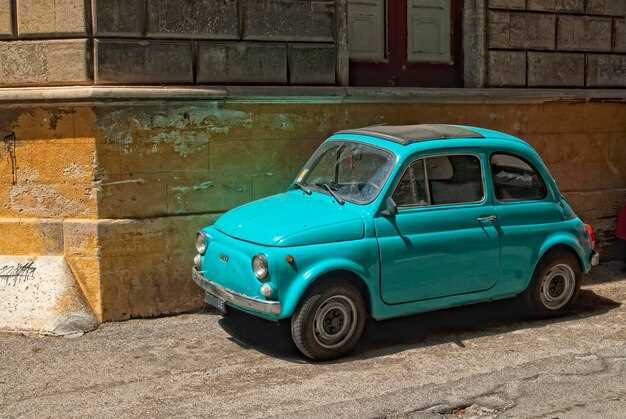
The Fiat 500 has long been an iconic symbol of automotive design, capturing the hearts of car enthusiasts since its inception in the late 1950s. The classic model, known for its charming retro aesthetics and compact size, represents a pivotal moment in automotive history. In contrast, the new Fiat 500 has been reimagined for the modern era, reflecting contemporary engineering advancements and consumer expectations.
When comparing the 500 classic and the new version, several key differences emerge that highlight the evolution of this beloved vehicle. The classic Fiat 500 is characterized by its simplistic design, minimalistic interior, and fuel-efficient, small-displacement engines. In contrast, the new Fiat 500 embraces cutting-edge technology, offering electric powertrains, modern safety features, and enhanced connectivity options.
Understanding these differences is crucial for potential buyers and enthusiasts alike. While the classic Fiat 500 boasts a nostalgic charm that many cherish, the new Fiat 500 provides a glimpse into the future of urban mobility, incorporating sustainability and advancements in automotive performance. This article delves deeper into the distinctions between these two iterations of the Fiat 500, exploring how each model reflects the values and needs of its respective era.
Engine Specifications: Classic vs. New Fiat 500

The classic Fiat 500, originally produced from 1957 to 1975, featured a small but efficient 0.5-liter two-cylinder engine. This rear-mounted engine typically produced around 13 to 18 horsepower, depending on the specific model and year. The simplicity of its design contributed to the classic 500’s charm, focusing on lightweight performance and urban maneuverability rather than sheer power.
In contrast, the modern Fiat 500, introduced in 2007, offers a range of engine options that reflect advancements in automotive technology and consumer expectations. The new 500 is equipped with a front-mounted engine, beginning with a 1.2-liter four-cylinder engine that delivers approximately 69 horsepower. Higher-performance variants include a turbocharged 0.9-liter two-cylinder engine producing around 85 horsepower, showcasing a significant increase in power output and efficiency.
Additionally, the modern Fiat 500 offers a fully electric variant, the 500e, which features an electric motor generating 145 horsepower, indicating a substantial deviation from the classic model’s specifications. This shift not only enhances performance but also aligns with contemporary environmental standards and consumer preferences for sustainability.
Overall, the evolution of engine specifications from the classic to the new Fiat 500 highlights a transformation in automotive engineering, focusing on improved performance, efficiency, and eco-friendliness while maintaining the iconic design that makes the Fiat 500 a beloved vehicle across generations.
Design Evolution: Key Visual Changes of Fiat 500
The Fiat 500 has undergone significant changes in its design since its inception. The classic Fiat 500, launched in 1957, featured a compact, rounded shape that emphasized simplicity and functionality. This iconic silhouette remains one of the most recognizable aspects of the vehicle, showcasing its charm and practicality. The front fascia was characterized by a small grille and circular headlights, imparting a friendly and approachable demeanor.
In contrast, the new Fiat 500, introduced in 2007, retains the nostalgic elements of the original while incorporating modern aesthetics. The updated design integrates sharper lines and a more aggressive stance, reflecting contemporary taste and advances in automotive design. The headlights have evolved to include more prominent LED elements, adding a modern twist to the vehicle’s face.
Moreover, the new Fiat 500 features a larger body size compared to its classic counterpart, allowing for enhanced comfort and safety. The rear of the vehicle has also been redesigned, with a more dynamic taillight shape that echoes the original’s roundness but adds a modern flair.
Another notable change is the interior. The classic Fiat 500 boasted minimalistic controls and an emphasis on utilitarian function. The new model, however, is equipped with advanced technology, including touchscreen displays and improved materials, aligning with contemporary consumer expectations while still preserving hints of retro design.
Overall, the evolution of the Fiat 500’s design showcases a balance between maintaining its cherished heritage and embracing new automotive trends. This unique blend allows the Fiat 500 to appeal to both nostalgic fans of the classic model and new customers seeking a stylish yet practical vehicle.
Technology Features: What’s New in the 2023 Model?
The 2023 Fiat 500 introduces a range of advanced technology features that mark a significant evolution from the classic model. One of the most notable upgrades is the fully digital instrument cluster, providing drivers with customizable display options for essential driving information. This modern interface allows for easy access to navigation, fuel efficiency stats, and media controls, enhancing the overall driving experience.
Another key feature is the integration of a state-of-the-art infotainment system. The latest 500 comes equipped with a larger touchscreen, supporting smartphone connectivity through Apple CarPlay and Android Auto. This seamless integration enables passengers to access apps, music, and navigation tools directly from the vehicle’s interface, a stark contrast to the more simplistic setups common in classic Fiat models.
Additionally, the 2023 Fiat 500 offers advanced safety technologies such as adaptive cruise control, lane-keeping assist, and automatic emergency braking. These features work together to significantly improve driver safety, showcasing the car’s commitment to modern standards that were not present in earlier versions of the Fiat 500.
The inclusion of electric powertrains is another major advancement. The 2023 model embraces eco-friendly initiatives, offering an all-electric version with a substantial range. This transition not only highlights Fiat’s commitment to sustainability but also positions the new 500 within the growing electric vehicle market, further distinguishing it from its classic predecessor.
Overall, the technological advancements in the 2023 Fiat 500 reflect a combination of contemporary design, enhanced connectivity, and safety, setting a new standard that appeals to a modern audience while retaining the charm of the classic Fiat heritage.


