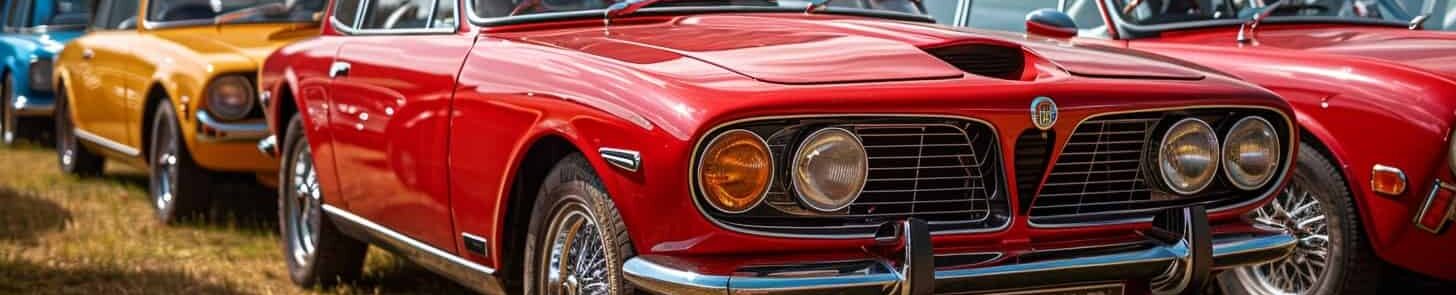
Before and After – Showcasing Fiat Project Cars
The world of automotive design is constantly evolving, and few brands embody this transformative spirit as powerfully as Fiat. Known for its compact and stylish vehicles, Fiat has managed to remain relevant through innovation and creativity. In this article, we will explore various Fiat project cars, illustrating their remarkable transformations from initial concepts to the final, refined models that capture the hearts of car enthusiasts.
The journey of a Fiat project car often begins with a raw idea, rooted in the desire to push the boundaries of design and performance. These prototypes undergo significant changes, blending functional engineering with artistic flair. We will delve into the details of these transformations, showcasing not only aesthetic upgrades but also performance enhancements that elevate the driving experience.
By examining the before and after states of these Fiat models, we will uncover the thought processes and technological advancements that lead to their success in the market. The transformation of each project car highlights the brand’s commitment to innovation while honoring its rich heritage. Join us as we celebrate the impressive evolution of Fiat vehicles and how they continue to redefine the automotive landscape.
Comparing Original Designs and Modified Features of Fiat Project Cars
The evolution of Fiat project cars presents a fascinating glimpse into the interplay between original design philosophies and subsequent modifications. Fiat has long been known for its innovative engineering and attention to detail, making its project cars prime candidates for exploration and enhancement.
Initially, the original designs of Fiat project cars often emphasize practicality and efficiency. Models like the Fiat 500 and Fiat Panda are excellent examples; they showcase compact proportions, a user-friendly layout, and an emphasis on fuel efficiency. These cars were tailored for urban environments, seamlessly blending functionality with a distinctive style that resonates with many drivers.
In contrast, the modified features of Fiat project cars serve to expand their performance and aesthetic appeal. Enthusiasts frequently alter these vehicles, introducing custom body kits, upgraded suspension systems, and enhanced engine specifications. Such modifications not only improve handling and acceleration but also enable owners to express their individuality, setting their cars apart from factory versions.
One notable transformation can be seen in the Fiat Abarth series, where sporty enhancements amplify the original performance characteristics. The modifications typically include a turbocharged engine, sport-tuned suspension, and a more aggressive stance, appealing to drivers seeking a spirited driving experience.
Another area of transformation involves the interior, where many project cars receive modern technological upgrades. Features like advanced infotainment systems, improved sound insulation, and custom upholstery elevate the driving experience while still paying homage to the original design ethos of Fiat.
Ultimately, the comparison between original designs and modified features of Fiat project cars highlights a dynamic relationship. While the factory models remain celebrated for their iconic styling and practicality, the modifications reflect the personal tastes of their owners, showcasing creativity and a passion for automotive excellence.
Analyzing Performance Enhancements After Transformations of Fiat Models

The transformation of Fiat models through various project enhancements reflects a significant evolution in automotive performance. By focusing on tuning, weight reduction, and advanced technology integration, these modifications aim to elevate driving experience and efficiency.
Tuning plays a pivotal role in enhancing engine performance. Adjustments to the ECU (Engine Control Unit) improve throttle response and power output. For instance, the transformation of the Fiat 500 Abarth illustrates how a simple remap can yield impressive gains in horsepower and torque, allowing for a sportier driving experience without extensive modifications.
Another crucial aspect of performance enhancements lies in weight reduction. Utilizing lightweight materials such as carbon fiber and aluminum in transformation projects can lead to improved acceleration and handling. The Fiat Punto, after extensive modifications, showcases how reducing curb weight significantly enhances maneuverability and fuel efficiency, making it a more competitive option in its class.
The integration of advanced technology is also essential in maximizing performance post-transformation. Features like adaptive suspension systems and advanced traction control not only boost handling capabilities but also ensure optimal performance across various driving conditions. The transformation of the Fiat 124 Spider into a more agile vehicle demonstrates how tech upgrades can lead to a more responsive and dynamic driving experience.
Ultimately, analyzing these performance enhancements reveals that the transformation projects for Fiat models are not just cosmetic but contribute substantially to overall driving dynamics. The combination of tuning, weight management, and technology integration leads to vehicles that are not only faster but also more enjoyable to drive, embodying the spirit of innovation within the Fiat brand.
Cost Implications of Transforming Fiat Project Cars and Potential ROI

The transformation of Fiat project cars involves substantial financial considerations, ranging from initial purchase costs to the expenses incurred during modification and enhancement. First, it is vital to assess the base price of the Fiat model selected for transformation. Prices can vary significantly based on factors such as the model year, condition, and desired specifications.
Once the initial cost is established, potential owners must account for modifications. These modifications may include performance upgrades, aesthetic enhancements, and the integration of modern technologies. Expenses for high-quality parts and skilled labor can escalate quickly, leading to a total investment that surpasses the original vehicle’s value. It’s essential to create a detailed budget that encompasses all aspects of the transformation process.
Moreover, ongoing costs should not be overlooked. Insurance premiums may increase due to the enhanced performance or modifications, and maintenance can also become more complex and costly. By considering all potential expenses, project owners are better equipped to gauge their investment.
A critical aspect of any transformation project is the potential return on investment (ROI). The ROI can fluctuate based on several variables, including the upgrade quality, market demand for the transformed vehicle, and its resale value. A well-executed transformation may enhance the Fiat’s appeal, allowing for a higher resale price compared to models that remain in their original state. However, it can be unpredictable, and higher investments do not always equate to proportionate returns.
In conclusion, while the financial implications of transforming Fiat project cars can be significant, careful planning and execution can yield potential rewards. Evaluating both initial and ongoing costs against expected returns helps ensure that the investment is sound and financially rewarding in the long run.


