
Battery Maintenance for Older Fiat Models
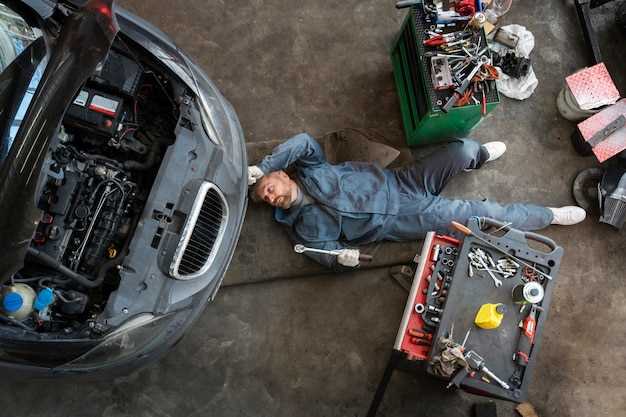
Maintaining a vintage Fiat requires a keen sense of care, especially when it comes to the vehicle’s battery. Older models, cherished for their unique design and character, often struggle with battery-related issues due to age and prolonged usage. Understanding the nuances of battery maintenance can ensure that your classic Fiat not only runs smoothly but also retains its value over time.
The battery in a vintage Fiat plays a crucial role in the vehicle’s overall performance. A healthy battery not only starts your engine but also powers essential electrical systems, making battery care an integral part of vehicle maintenance. Regular checks, proper cleaning, and timely replacements can significantly extend the lifespan of your car’s battery.
This article provides essential tips specifically tailored for vintage Fiat owners. From understanding the optimal charging practices to knowing when it’s time for a replacement, these guidelines will help you maintain your vehicle’s battery and enhance its longevity. With the right care, you can enjoy your classic Fiat’s vintage charm for many more years to come.
Understanding Battery Maintenance for Vintage Fiat Vehicles
Maintaining the battery of vintage Fiat vehicles requires a specialized approach due to their unique design and technology. The lead-acid batteries used in these models are sensitive to both environmental factors and maintenance practices. Regular checks, including inspecting terminals for corrosion and ensuring tight connections, are essential for optimal performance.
It is crucial to keep the battery clean and free from dirt. A dirty battery can lead to poor electrical connections and decreased efficiency. Use a mixture of baking soda and water to clean the terminals, ensuring that all residues are removed. After cleaning, applying a thin layer of petroleum jelly can help prevent corrosion.
Attention must also be paid to the fluid levels within the battery. Vintage Fiat batteries often require topping up with distilled water when the electrolyte level falls below the plates. This step is vital, as low fluid levels can lead to battery damage and reduced lifespan.
Temperature fluctuations can impact battery performance. Storing your vintage Fiat in a climate-controlled garage can help mitigate the effects of extreme heat or cold on the battery’s life. If operating in colder climates, consider using a battery warmer to ensure reliable starting in winter months.
Regularly check the battery’s charge. A battery maintainer can help keep the battery charged, especially during extended periods of inactivity. This practice helps prevent sulfation, which can permanently damage the battery.
By following these care tips, you can prolong the life of your vintage Fiat’s battery, ensuring that your classic vehicle runs smoothly and efficiently for years to come.
Top Signs Your Fiat’s Battery Needs Attention

Ensuring the longevity of a vintage Fiat requires meticulous care, especially when it comes to the battery. Recognizing the signs that indicate your battery needs attention can prevent inconvenient breakdowns and costly repairs.
1. Slow Engine Crank: If your Fiat struggles to start or takes longer than usual to crank, it may be a sign that the battery is losing its power. A consistent slow crank is a critical indicator that you should inspect or replace the battery.
2. Dashboard Warning Light: Many modern Fiat models are equipped with a battery warning light on the dashboard. If this light illuminates, it’s a clear signal that the battery or its charging system requires immediate attention.
3. Swollen Battery Case: An old or failing battery may develop physical deformities, such as swelling. This is often caused by excessive heat or overcharging, which can compromise the battery’s integrity. If you notice any bulging or swelling, it is time to replace the battery.
4. Corrosion on Battery Terminals: Inspect the battery terminals for any signs of corrosion, which appears as a white, ashy substance. Corrosion can impede the flow of electricity, affecting performance and, if left unchecked, could lead to battery failure.
5. Diminished Electrical Performance: If your vintage Fiat’s electrical systems, such as headlights and power windows, exhibit diminished performance or flickering, the battery may not be supplying adequate power. This symptom indicates a potential need for battery replacement.
6. Age of the Battery: Generally, car batteries have a lifespan of three to five years. If your Fiat’s battery is approaching this age, it’s wise to have it tested regularly or consider a preemptive replacement to avoid unexpected issues.
7. Unusual Odors: A failing battery may emit a rotten egg smell due to sulfuric gas leakage. If you detect any strange odors around the battery area, it is crucial to handle this situation promptly, as it could pose safety risks.
Being vigilant about these signs can significantly enhance the care and performance of your vintage Fiat’s battery, ensuring it remains reliable for your journeys ahead.
Practical Steps for Extending Battery Life in Classic Fiats
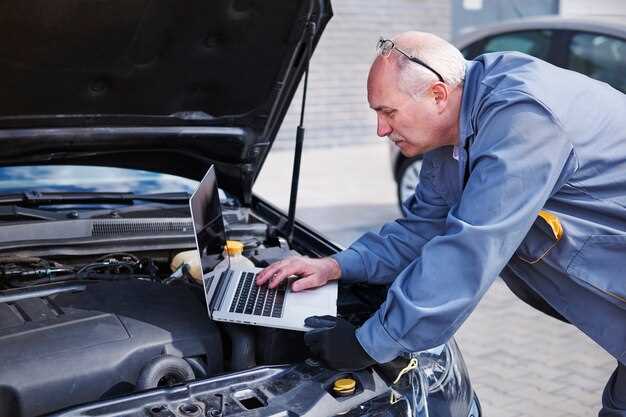
To ensure optimal performance of the battery in classic Fiat models, it’s essential to implement some effective care strategies. First, regularly check the battery terminals for corrosion. Clean any buildup using a mixture of baking soda and water, which helps maintain a solid electrical connection.
Second, keep the battery charged. If the vehicle is not driven frequently, consider using a trickle charger to prevent the battery from discharging completely. This is particularly important for older models that may have higher electrical draw even at rest.
Third, monitor the battery fluid level. Classic Fiat batteries often require maintenance; ensure the fluid is at the recommended level to prevent overheating and damage. If necessary, add distilled water, avoiding overfilling the cells.
Additionally, inspect the battery for signs of wear or age. Look for cracks and leaks, as these can indicate that it’s time to replace the component. Investing in a high-quality battery specifically designed for classic vehicles can also lead to improved longevity and performance.
Lastly, ensure that all electrical components, such as lights and radios, are turned off when the vehicle is not in use. This simple habit can significantly reduce the risk of battery drain and extend its overall lifespan in your cherished Fiat.


